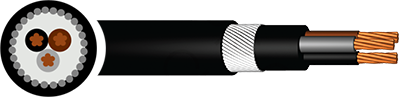
BS5467 for Fixed Distribution Feeds
The fixed lighting and service-power feeders use the copper, XLPE-insulated, PVC-covered armoured mains construction.
- Voltage Designation
- 1kV
- Armour
- Steel Wire Armour (SWA)

Transport and Infrastructure
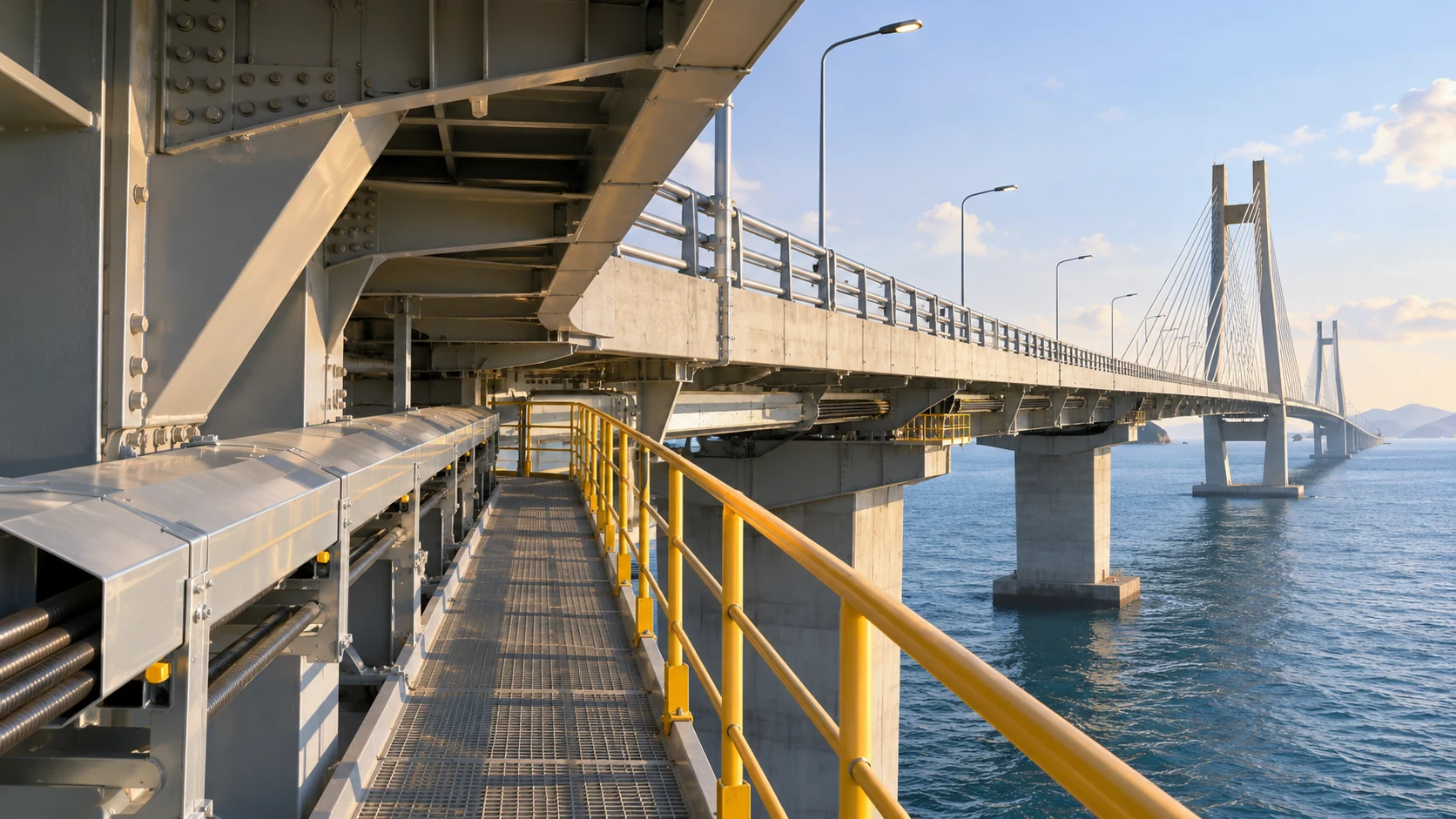
The bridge lighting upgrade shares a service route with maintenance power and essential electrical circuits. The cable package separates ordinary fixed feeders, LSZH-specified enclosed routes and fire-resistant mains, using BS5467, BS6724 and F2 cable for those different duties.
Engineering Detail
Local distribution cabinets feed lighting positions along the crossing and equipment in enclosed service areas.
Engineering Detail
BS5467 provides the PVC-covered armoured feeder for ordinary fixed distribution. Where the enclosed route requires LSZH materials, BS6724 changes the bedding and sheath while retaining XLPE insulation and steel-wire armour. Essential circuits requiring continued operation under fire conditions need their specified fire-resistant mains construction and applicable test performance. LSZH coverings alone cannot provide that circuit-integrity evidence.
Engineering Detail
The fixed lighting and service-power feeders use the copper, XLPE-insulated, PVC-covered armoured mains construction.
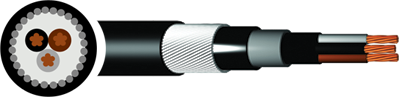
The enclosed-route cable reference changes to LSZH bedding and sheath where the project requires low-smoke, zero-halogen materials.
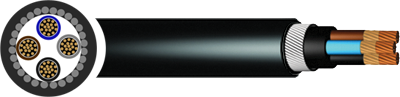
Essential power circuits retain a separate fire-resistant mains reference, with the fire-test requirement attached to the selected construction and size.
Engineering Detail
A bridge movement joint is a separate routing detail. Steel-wire armour protects a fixed feeder mechanically; it does not establish repeated-flex performance across an expanding joint. The route, supports and allowance for movement have to accommodate that interface. Keeping this detail separate prevents the ordinary feeder specification from being mistaken for a complete movement-joint solution.
Engineering Detail

An emergency circuit may need to keep working during a fire. An LSZH cable addresses smoke and halogen-related characteristics; a flame-retardant cable addresses flame spread. Neither label alone establishes circuit survival. Choosing the cable starts with the required function of the circuit during the fire.
Read MoreA cable that can be bent into position is not automatically suitable for repeated machine movement. For a tight route, the useful numbers are the finished cable diameter, the minimum bending radius for that use, and the handling-temperature limit. Conductor class alone cannot answer all three questions.
Read MoreTalk to Prysm Cable about the cable types, specifications and installation duties in your project.